
Table of Contents
In recent years, simple living has become more than just a design trend—it is a lifestyle philosophy that prioritizes mindfulness, functionality, and emotional well-being. For parents, this philosophy is especially meaningful when applied to spaces for babies and children. A nursery or kids’ room is not only a place to sleep or play; it is where early development, comfort, and security begin. Simple living furniture for baby, kids, and nursery focuses on thoughtful design, essential functionality, and long-term value rather than excess decoration or short-lived trends.
This approach helps parents create spaces that feel calm, warm, and intentional. By choosing furniture that is simple, durable, and made from natural materials, families can build environments that support both physical safety and emotional growth. Simple living furniture encourages parents to buy less but choose better—investing in pieces that grow with the child and remain useful for years.
Understanding the Simple Living Philosophy in Children’s Furniture
Simple living is rooted in the idea of reducing clutter and focusing only on what truly matters. When applied to baby and kids furniture, this philosophy emphasizes purpose-driven design. Every piece should serve a clear function, whether it is sleeping, storage, learning, or play. Furniture should never overwhelm the room or distract the child with excessive colors, patterns, or unnecessary features.
In a simple living nursery, the room feels open and breathable. Neutral color palettes, clean lines, and natural textures dominate the space. This visual simplicity helps reduce sensory overload for babies and young children, creating an environment where they can rest and explore comfortably. Parents also benefit from this clarity, as a well-organized and minimal space is easier to maintain and clean.
Another core principle of simple living is intentional consumption. Instead of buying many small or disposable items, parents select fewer, higher-quality furniture pieces that are safe, durable, and timeless. This mindset supports sustainability while also saving money in the long run.
Why Simple Living Furniture Is Ideal for Babies and Young Children
Babies and young children are highly sensitive to their surroundings. Bright colors, loud patterns, and crowded spaces can be overstimulating. Simple living furniture addresses this by creating calm, predictable environments that support healthy development. Furniture with smooth surfaces, rounded edges, and natural finishes feels gentle and reassuring.
Safety is another critical reason why simple living furniture is ideal for babies and kids. Minimalist designs often eliminate unnecessary decorative elements that could pose risks. There are fewer sharp corners, loose components, or complex mechanisms. The focus is on stability, balance, and child-friendly construction.
Simple living furniture also supports routines. When a nursery or kids’ room is organized and uncluttered, children learn where things belong. This structure helps develop independence and responsibility as children grow older. A child who understands their space feels more confident navigating it.
Key Characteristics of Simple Living Nursery Furniture
Simple living nursery furniture shares several defining characteristics that set it apart from conventional designs. The first is clean and timeless aesthetics. These pieces often feature straight lines, soft curves, and neutral colors such as white, beige, light wood, or muted pastels. This timeless look ensures the furniture remains visually appealing even as trends change.
Another essential characteristic is multi-functionality. Simple living furniture is designed to adapt. A crib may convert into a toddler bed, or a changing table may double as a dresser. This flexibility reduces the need for frequent replacements and supports long-term use.
Durability and craftsmanship are also central. Simple living furniture is often made from solid wood or sturdy natural materials rather than disposable composites. Strong construction ensures safety while allowing the furniture to be passed down or reused for future siblings.
Natural Materials and Sustainability in Baby and Kids Furniture
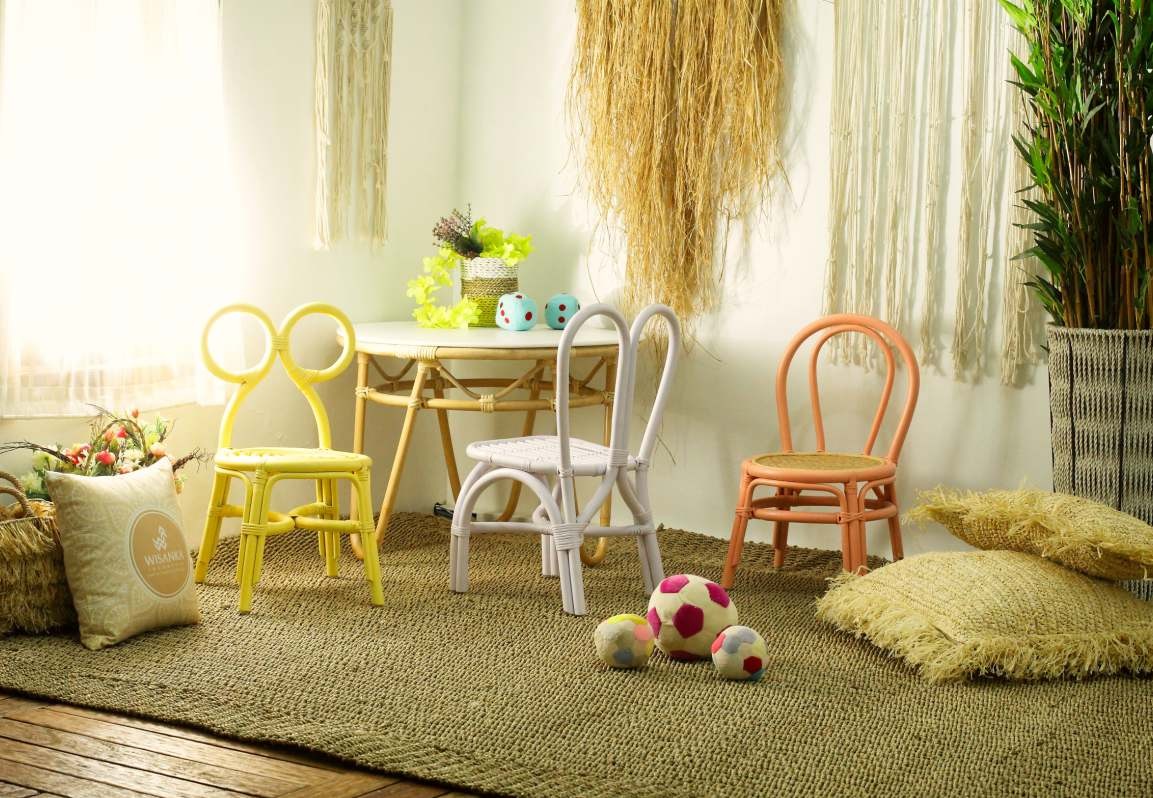
One of the strongest pillars of simple living furniture is the use of natural and sustainable materials. Solid wood, natural rattan, bamboo, and responsibly sourced timber are common choices. These materials not only offer durability but also bring warmth and authenticity into the room.
Natural materials are especially important for babies and children because they reduce exposure to harmful chemicals. Furniture finished with low-VOC or water-based coatings helps maintain healthier indoor air quality. Parents can feel more confident knowing their child’s environment is safer and more eco-conscious.
Sustainability also plays a long-term role in simple living. Choosing furniture made from renewable resources supports ethical production practices and reduces environmental impact. This aligns with the values many parents want to pass on to their children—respect for nature and thoughtful consumption.
Simple Living Cribs and Baby Beds
The crib is often the centerpiece of a nursery. In a simple living approach, crib design prioritizes safety, comfort, and visual calm. Minimalist cribs typically feature solid construction, smooth finishes, and adjustable mattress heights. The absence of heavy ornamentation keeps the design timeless and soothing.
Many simple living cribs are designed to grow with the child. Convertible cribs can transition from a newborn crib to a toddler bed and sometimes even into a daybed. This adaptability reflects the core values of simple living—reducing waste and maximizing usefulness.
The neutral design of simple living cribs also makes them easy to pair with different nursery themes. Whether the room leans toward Scandinavian, modern, or natural aesthetics, a simple crib blends seamlessly without overpowering the space.
Storage Solutions That Encourage Organization and Independence
Storage is essential in baby and kids’ rooms, but simple living furniture approaches it with restraint and intention. Instead of bulky cabinets or excessive shelving, simple living storage focuses on accessible and well-proportioned designs. Low shelves, open baskets, and compact drawers make it easier for children to interact with their environment.
For babies, storage furniture helps parents maintain order without clutter. Diapers, clothing, toys, and essentials can be neatly stored in simple dressers or open shelving units. For older children, these same pieces support independence by allowing them to access their belongings easily.
Natural storage solutions made from wood or rattan add texture and warmth while remaining visually light. This balance between function and aesthetics is a defining feature of simple living furniture.
Simple Living Furniture for Kids’ Rooms
As children grow, their needs evolve. Simple living furniture adapts to these changes by emphasizing flexibility and longevity. Beds for kids often feature clean designs that work for both early childhood and later years. A well-designed simple bed does not feel “too babyish” or overly themed, allowing it to grow with the child.
Desks and seating in simple living kids’ rooms are designed to support learning and creativity without distractions. A minimalist desk with ample workspace encourages focus, while natural materials create a grounding atmosphere. Chairs are comfortable, stable, and proportioned for children’s bodies.
Simple living furniture also leaves room for imagination. By avoiding overly decorative or character-themed pieces, the room becomes a neutral canvas where toys, books, and creativity take center stage.
Creating a Calm Nursery Environment Through Design
Simple living furniture works best when combined with thoughtful layout and design choices. In a nursery, spacing is key. Furniture should be arranged to allow smooth movement and clear sightlines. This not only improves safety but also creates a sense of openness.
Lighting plays an important role as well. Natural light, paired with soft, warm artificial lighting, enhances the calming effect of simple furniture. Avoiding overly bright or harsh lights helps maintain a soothing atmosphere, especially during nighttime routines.
Textiles such as curtains, rugs, and bedding should complement the furniture rather than overpower it. Neutral fabrics with soft textures reinforce the simple living aesthetic while adding comfort.
Emotional Benefits of Simple Living Furniture for Children
Beyond aesthetics and function, simple living furniture has a profound emotional impact. Children raised in calm, uncluttered environments often experience reduced stress and better concentration. A simple space allows children to focus on play, learning, and rest without constant visual stimulation.
Simple living also teaches valuable life lessons. Children learn that happiness does not come from having many things, but from having meaningful and useful ones. This mindset encourages gratitude, responsibility, and respect for belongings.
For parents, the emotional benefits are equally significant. A well-designed, simple nursery or kids’ room reduces daily stress and makes caregiving routines more enjoyable. When everything has its place, daily tasks feel more manageable.
Long-Term Value and Cost Efficiency
While simple living furniture may initially appear more expensive, it often provides greater long-term value. High-quality materials and adaptable designs reduce the need for frequent replacements. Furniture that grows with the child eliminates the cycle of buying new pieces every few years.
Durable furniture also retains its appearance and structural integrity over time. This makes it easier to reuse, resell, or pass down, further extending its value. In this way, simple living furniture is not just a design choice but a smart financial decision.
Investing in timeless pieces also ensures that children’s rooms remain relevant and comfortable as they age. Parents do not need to redesign the entire space every time their child reaches a new stage.
Integrating Simple Living Furniture Into Modern Family Life
Simple living furniture fits naturally into modern family lifestyles that value balance, wellness, and sustainability. As homes become more multifunctional—serving as places for work, learning, and relaxation—calm and organized spaces become essential.
By choosing simple living furniture for baby, kids, and nursery spaces, families create environments that support growth without unnecessary complexity. These spaces feel warm, welcoming, and intentional rather than cluttered or overwhelming.
Simple living is not about deprivation; it is about making thoughtful choices. Furniture becomes a foundation for meaningful experiences rather than a source of distraction.
A Meaningful Start Through Simple Living Furniture
Simple living furniture for baby, kids, and nursery represents a thoughtful approach to parenting and design. It prioritizes safety, sustainability, emotional well-being, and long-term value. Through clean designs, natural materials, and functional versatility, these furniture pieces support children’s development while aligning with modern family values.
Creating a simple living nursery or kids’ room is an investment in calm, clarity, and connection. It is about building a space where children feel safe, parents feel at ease, and everyday moments become more meaningful. By choosing simplicity, families give their children not just furniture, but a peaceful foundation for growth and discovery.
