
Table of Contents
Rattan doll furniture has become one of the most recognizable product categories within the modern kids furniture landscape, merging the traditional beauty of natural materials with the growing demand for safe, sustainable, and child-focused design. In recent years, rattan has returned as a premium material for children’s spaces, and its popularity continues to grow due to its aesthetic appeal, durability, and eco-friendly nature. Within this expanding movement, rattan doll furniture plays a surprisingly powerful role as both a functional toy and a strategic market driver in the global kids furniture industry. This combination of artisanal craftsmanship and educational value has positioned rattan doll furniture as more than just miniature furnishings; it has become a bridge between children’s developmental needs and the broader direction of the furniture sector.
As the kids furniture market evolves, manufacturers, wholesalers, and retailers have begun to recognize how doll furniture—especially rattan doll furniture—supports larger product ecosystems and purchasing behaviors. Parents today do not simply buy toys; they curate home environments that align with design trends, safety standards, sustainability values, and child-development philosophies like Montessori or Waldorf. Rattan doll furniture fits into this alignment perfectly, offering a blend of natural material, long-lasting construction, and timeless design. At the same time, it introduces young children to the concept of furniture through play, creating early familiarity with rattan as a material and influencing family-level purchasing decisions for full-size kids furniture. This connection between miniature and full-scale pieces explains the growing correlation between rattan doll furniture and kids furniture markets worldwide.
The rise of rattan doll furniture also reflects shifting consumer expectations in the parenting and children’s lifestyle industries. Today’s parents value authenticity, handcrafted quality, safety, and environmental responsibility more than any previous generation. Many families intentionally move away from plastic toys and mass-produced furniture, favoring natural textures and organic aesthetics. Rattan, with its warm tones and tactile qualities, fulfills this desire, making it a sought-after material for both children’s toys and their living spaces. This growing consumer sentiment has reinforced rattan’s visibility in the global marketplace, creating opportunities for manufacturers in Indonesia, Vietnam, Malaysia, and the Philippines—regions known for their deep cultural connection to rattan craftsmanship.
Understanding Rattan as a Material for Children’s Products
Rattan has long been cherished as one of the world’s most versatile natural materials. Harvested primarily in Southeast Asia, rattan offers a unique combination of flexibility, strength, and aesthetic appeal. These characteristics make it exceptional for crafting miniature doll furniture and full-size kids furniture alike. While many modern manufacturing materials prioritize cost efficiency over longevity, rattan remains valued for its durability and resistance to cracking or deformation, even under frequent use. This is one reason why families continue to choose rattan products for children, expecting them to withstand years of play and active handling.
From a sustainability perspective, rattan stands out as an eco-friendly and rapidly renewable resource. Unlike hardwood trees that require decades to mature, rattan grows quickly and regenerates naturally. Its harvesting process also supports tropical forest ecosystems rather than damaging them, making rattan a preferred material among environmentally conscious consumers. Parents who choose rattan doll furniture often express interest in environmentally responsible living, and this preference tends to extend to their choices for kids furniture, décor, and home organization. As a result, rattan doll furniture becomes an entry point into a broader ecosystem of natural-material furnishings within the household.
Manufacturers of kids furniture appreciate rattan not only for its eco-friendly qualities but also for its ability to match interior design trends. Its natural tone harmonizes with popular styles such as Scandinavian, boho, minimalist, and modern tropical. Doll furniture crafted from rattan often mirrors the same design sensibilities as full-size pieces, helping children develop an early appreciation for natural aesthetics while supporting brand identity for furniture manufacturers. In essence, the material itself becomes a tool for cultivating long-term consumer loyalty and shaping purchasing patterns.
Rattan Doll Furniture as a Developmental Tool for Early Childhood
Rattan doll furniture is not just visually appealing; it plays an important educational role in early childhood development. Miniature chairs, cribs, bassinets, wardrobes, strollers, and sofas allow children to engage in imaginative play that mirrors real-life environments. Pretend play supports cognitive development by encouraging children to create scenarios, solve problems, and practice social skills through role-playing. When children interact with rattan doll furniture, they are also indirectly learning about the function of furniture and how household environments work. This early understanding influences how children interact with their physical surroundings and helps them build organizational and social competencies.
Another important aspect of rattan doll furniture is its connection to emotional development. Children often form attachments to their dolls and stuffed toys, and providing high-quality, realistic doll furniture allows them to reenact nurturing behaviors. Through such activities, children practice empathy, caregiving, and self-expression. Rattan furniture, with its natural texture and warm appearance, enhances this emotional experience by providing a more organic and calming environment for play. Unlike plastic furniture, which may feel artificial and overly bright, rattan doll furniture helps create a gentle, home-like atmosphere that supports emotional stability and imaginative comfort.
The educational value of rattan doll furniture extends into the physical realm as well. Because rattan is lightweight yet sturdy, children can easily move, arrange, or carry the furniture without risk. This promotes motor skill development and teaches children how to manage physical objects safely. Whether they are setting up a doll’s room, adjusting chairs, or opening miniature rattan cabinets, children are learning spatial awareness, coordination, and independence. This combination of cognitive, emotional, and physical development illustrates why rattan doll furniture has gained an important place in modern parenting philosophies.
The Relationship Between Rattan Doll Furniture and the Kids Furniture Market
The link between rattan doll furniture and the broader kids furniture market is far stronger than many manufacturers initially realize. When parents purchase rattan doll furniture, they are often expressing trust in the material’s safety, quality, and aesthetic value. This trust easily extends to other categories—such as full-size rattan cribs, kids chairs, storage baskets, bookshelves, and study desks. In marketing terms, rattan doll furniture functions as a micro-product that introduces parents to a brand or material category before they commit to larger investments. It acts much like a sample experience that builds familiarity and confidence.
From the perspective of consumer psychology, purchasing behavior for children’s products often begins with trial exposure. Parents typically start with smaller items to evaluate quality before purchasing bigger furniture for the child’s room. Rattan doll furniture fulfills this entry-point role perfectly. When parents observe the sturdiness and craftsmanship of miniature pieces, they form expectations about the same craftsmanship in larger furniture categories. This is why many wholesalers and B2B suppliers position rattan doll furniture within the same catalog as kids furniture: the product synergy helps increase cross-category sales.
The correlation is equally strong in visual branding and home design. Many modern families prefer cohesive décor themes, even in children’s rooms. If a child owns rattan doll furniture that resembles the overall interior style, parents are more likely to choose full-size rattan furniture to maintain the theme. Doll furniture becomes a symbolic bridge connecting children’s play environments with the actual layout of their living spaces. This alignment has helped rattan gain traction not only as a toy material but also as a lifestyle choice for families seeking natural aesthetics and high-quality craftsmanship.
Design Evolution: From Traditional Craftsmanship to Modern Kids Furniture Trends
Rattan doll furniture has a rich history rooted in traditional craftsmanship from Southeast Asia, where artisans have been weaving rattan for generations. Historically, rattan doll furniture emerged as an extension of full-size rattan furniture production. Artisans used leftover materials to create miniature versions, primarily for local markets. However, as global demand for natural-material toys grew, these miniature pieces transformed from simple cultural handicrafts into highly desirable export products.
Design evolution has played a significant role in shaping the modern perception of rattan doll furniture. Initially modeled after classic wicker and bamboo styles, today’s rattan doll designs reflect contemporary furniture trends. Miniature rattan doll cribs now mirror popular boho baby bassinets, while doll wardrobes replicate minimalist Scandinavian lines. Manufacturers increasingly adopt design elements such as curved frames, smooth finishes, and neutral colors, helping miniature furniture stay relevant in global retail environments. These improvements have strengthened the connection between children’s toys and full-size kids furniture, allowing them to complement each other aesthetically.
This shift in design also reflects broader changes in consumer lifestyle. Parents now see doll furniture not just as toys but as decorative elements that enhance children’s rooms. Rattan doll furniture blends seamlessly into nursery décor, making it a popular choice for photoshoots, social media content, and parenting influencers. As the digital landscape continues to shape purchasing decisions, visually appealing materials like rattan play an even bigger role in influencing consumer preferences. This visibility further strengthens the relationship between rattan doll furniture and mainstream kids furniture trends.
Why Parents Worldwide Prefer Rattan Doll Furniture
Rattan doll furniture appeals to parents across different cultures and regions for several reasons. One of the most important factors is safety. Many parents are concerned about the growing presence of plastic, chemical dyes, and synthetic materials in children’s products. Rattan provides a natural alternative that is organic, non-toxic, and free from sharp or harmful components. Its soft, rounded shapes and natural finishes reduce the risk of injury while giving children a more pleasant tactile experience.
Another reason for its popularity is that rattan doll furniture satisfies modern aesthetic preferences. Younger generations of parents, especially Millennials and Gen Z, tend to value interior design and often aim to create visually harmonious homes. Rattan aligns perfectly with popular décor styles such as boho, neutral, rustic, and modern tropical. Miniature rattan pieces blend effortlessly into nurseries, living rooms, and play areas, creating a sense of cohesion throughout the home. Many parents also appreciate the handmade quality of rattan furniture, viewing it as a beautiful and meaningful addition to their children’s environments.
Lastly, parents value durability and longevity in children’s products. Rattan doll furniture is known to outlast plastic and mass-produced alternatives, maintaining its structure even after years of imaginative play. This makes it a valuable investment for families who prefer long-lasting toys and want to minimize waste. Many families even pass rattan doll furniture to younger siblings or use it as decorative items once their children grow older. This emotional and practical longevity strengthens the material’s appeal and its relevance in the larger kids furniture market.
Safety Standards in Rattan Doll and Kids Furniture Manufacturing
Safety is the highest priority in the production of children’s furniture and toys. Rattan doll furniture may appear simple, but its manufacturing process must adhere to strict international standards. Ensuring that woven surfaces are smooth and splinter-free is essential, as children frequently touch, carry, and handle these pieces. Manufacturers typically sand, seal, and inspect each piece by hand to guarantee child-safe quality. This attention to detail contributes significantly to product value and reinforces consumer trust.
For full-size kids furniture, even stricter safety requirements apply. Items such as rattan kids beds, chairs, cribs, and storage units must meet regulations governing structural integrity, weight capacity, non-toxic finishes, and stability. Although rattan is naturally flexible, manufacturers reinforce critical joints through binding, pegging, or internal wooden structures. When parents observe the precision and safety of miniature rattan doll furniture, they often assume that full-size furniture follows the same craftsmanship standards, further strengthening trust in the material and the manufacturer.
Additionally, many global retailers and B2B buyers now require certifications related to sustainability and responsible sourcing. This includes compliance with social responsibility audits, formaldehyde-free finishing processes, and eco-friendly production methods. Rattan furniture manufacturers who demonstrate strong commitment to these standards gain a competitive advantage in the global marketplace. Doll furniture serves as a compelling example of that commitment, functioning as a small-scale demonstration of manufacturing capability and safety practices.
Sustainability: The Eco-Friendly Advantage of Rattan for Kids and Dolls
Sustainability has become a defining factor in purchasing decisions for children’s products. Parents want toys and furniture made from materials that contribute to a healthier world for their children’s future. Rattan is one of the most environmentally responsible materials in the global furniture industry due to its fast growth rate, renewable nature, and minimal carbon footprint. Harvesting rattan does not require deforestation; in fact, rattan grows best in healthy forest ecosystems, meaning its cultivation promotes environmental preservation.
Rattan doll furniture embodies these eco-friendly values by offering families an alternative to plastic toys that contribute to global waste problems. Because rattan is biodegradable, it leaves a minimal environmental impact even at the end of its lifespan. Many environmentally conscious parents specifically choose natural-material toys to reduce their household’s ecological footprint. This growing mindset directly influences their choices in full-size kids furniture, favoring rattan or other natural materials such as bamboo, teak, and natural fiber weaves.
Sustainability also strengthens the ethical value of rattan furniture. Most rattan doll furniture is handcrafted rather than machine-made, which supports fair labor practices and traditional artisanship. Buyers who prioritize responsible production often choose rattan pieces for this reason. The strong ethical appeal of rattan therefore positions it well not just as a toy material, but as a long-term lifestyle choice for families. Manufacturers and wholesalers who highlight sustainability in both doll furniture and kids furniture categories tend to experience higher customer loyalty and stronger brand differentiation.
How Rattan Doll Furniture Is Made
One of the defining characteristics of rattan doll furniture is the craftsmanship involved in its creation. Most pieces are handmade by skilled artisans who understand the unique properties of rattan, including how it bends, how it holds weight, and how to weave it securely. The production process begins with selecting high-quality rattan canes that are properly dried and treated to prevent mold or insect damage. The canes are then cut, shaped, and bent using heat or steam to form the furniture’s structure.
Once the frame is created, artisans weave the rattan strands to fill in the surfaces. This weaving process requires precision and experience to achieve consistent patterns and tightness. The miniature scale of doll furniture makes the task even more delicate. After weaving is complete, the piece undergoes sanding, trimming, and finishing to ensure child-safe quality. Some manufacturers apply natural or water-based coatings to increase durability while still ensuring non-toxicity. The final product reflects the blend of traditional craftsmanship and modern design sensibilities.
This artisanal nature has become one of the strongest selling points in the B2B market. Retailers appreciate handmade products for their uniqueness and storytelling value, which allows for stronger branding and premium pricing. In addition, the time-intensive craftsmanship differentiates rattan doll furniture from mass-produced plastic toys, appealing to parents looking for objects with cultural and artisanal significance. This authenticity increases demand for full-size rattan kids furniture as well, encouraging wholesalers to include both miniature and large-scale pieces in their catalogs.
The Global Market Opportunity for Rattan Doll Furniture and Kids Furniture
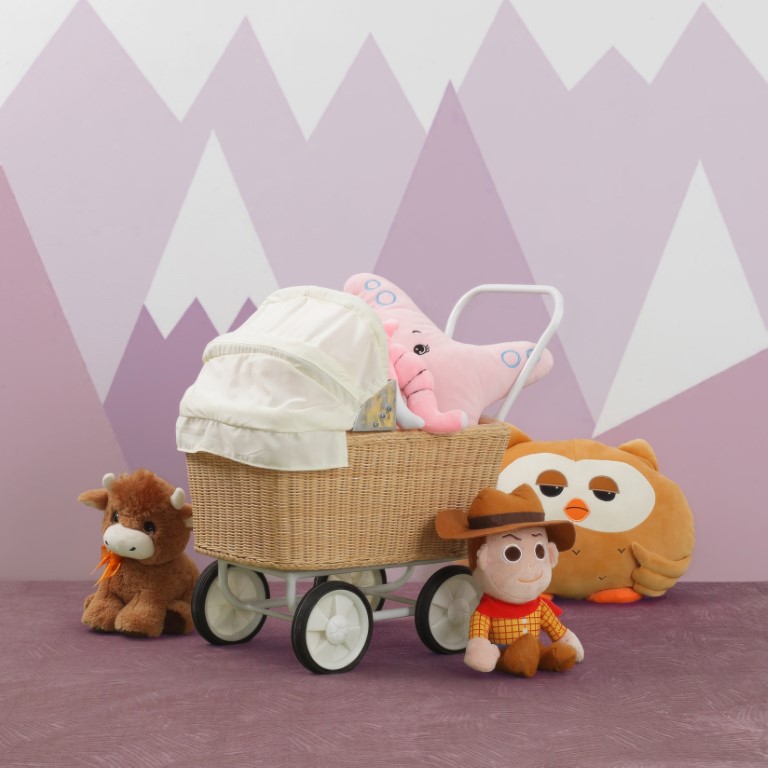
The rattan doll furniture category is experiencing rapid growth worldwide, driven by rising consumer demand for natural, handcrafted, and educational toys. As global toy trends shift toward eco-friendly and Montessori-inspired play, rattan doll furniture has become a preferred choice for families in Europe, Australia, North America, and parts of Asia. Retailers increasingly stock miniature rattan cribs, prams, wardrobes, and chairs as part of curated collections targeting design-focused parents.
For manufacturers, rattan doll furniture provides a valuable opportunity to reach households that prioritize quality over quantity. These consumers are willing to pay premium prices for handmade items, making the category highly profitable. At the same time, the market for full-size kids furniture continues to expand, especially in the nursery and playroom furniture segments. Rattan kids chairs, bookshelves, toy organizers, and beds are now common in stylish modern homes. Manufacturers capable of producing both doll furniture and kids furniture gain a major competitive advantage by offering product bundles, thematic collections, and matching designs.
Wholesalers and B2B buyers also benefit from including rattan doll furniture in their catalogs, as it helps diversify product offerings and attract new types of customers. Boutique toy stores, baby boutiques, home décor shops, and online retailers often search specifically for natural-material toys. Once they establish a partnership with a reliable manufacturer, they often expand their orders to include larger items. This cross-category relationship positions rattan doll furniture as a gateway product that unlocks broader opportunities in the global kids furniture market.
Rattan Doll Furniture in Montessori and Waldorf Educational Environments
One of the strongest drivers of demand for rattan doll furniture is the rise of Montessori, Waldorf, and Reggio Emilia educational philosophies. These methods emphasize child independence, simplicity, natural materials, and realistic representations of everyday life. Doll furniture made from rattan aligns perfectly with these principles, offering children tools for imaginative exploration without overstimulation. Montessori playrooms often incorporate miniature real-life objects to help children develop practical life skills, making rattan doll furniture a natural choice for families who follow these learning methods.
Parents who adopt Montessori-inspired parenting routinely choose rattan products because they encourage tactile learning. Rattan’s natural texture and organic appearance provide sensory stimulation that plastic cannot replicate. Miniature rattan beds, chairs, and shelves help children mimic adult activities, such as putting dolls to sleep or organizing their belongings. This form of symbolic play supports cognitive development while reinforcing independence and responsibility.
The connection to educational philosophies extends to full-size kids furniture as well. Montessori environments rely heavily on child-sized furniture that is accessible, lightweight, and aesthetically calming. Rattan kids chairs, low shelves, clothing racks, and toy organizers meet these criteria while blending seamlessly into minimalist learning spaces. Families who purchase rattan doll furniture for educational purposes are therefore more likely to invest in full-size rattan kids furniture, creating strong synergy between these market segments.
How Retailers and Wholesalers Use Rattan Doll Furniture to Strengthen Their Catalog
Retailers and wholesalers have discovered that rattan doll furniture is a powerful upselling and cross-selling tool. By offering miniature versions of popular furniture styles, they provide parents with an opportunity to purchase matching sets for play and interior décor. Many parents enjoy creating coordinated spaces where their child’s toys reflect the design of the household. Retailers leverage this desire by introducing product lines that include both doll-sized and full-sized rattan furniture.
Another advantage is the ability to market rattan doll furniture as both a toy and a decorative item. Customers appreciate its dual function, which increases perceived value and encourages higher purchase conversion. Wholesale buyers who sell nursery décor, home accessories, or boho interior pieces can easily incorporate doll furniture into their retail displays. This versatility makes the category attractive for B2B buyers looking to expand their product offerings without taking on excessive storage or logistical burdens.
Furthermore, rattan doll furniture serves as an excellent storytelling product for brands. Because the pieces are handmade, brands can highlight craftsmanship, cultural heritage, sustainability, and ethical production in their marketing materials. These narratives resonate strongly with modern consumers and create emotional connections that drive brand loyalty. Retailers who successfully communicate these values often see increased demand for their larger furniture pieces as well, creating a cohesive and profitable catalog strategy.
Future Trends in Rattan Doll Furniture and Kids Furniture
The future of rattan doll furniture is closely tied to broader design and lifestyle trends shaping the global kids furniture market. As more families embrace natural interiors, eco-conscious living, and organic materials, rattan will continue to hold a central role in children’s spaces. Emerging trends suggest a growing preference for modular, multi-functional designs in kids furniture, which may influence new forms of rattan doll furniture as well. Miniature items could become more interactive, incorporating fabric elements, storage components, or interchangeable accessories to enrich imaginative play.
Another major trend is personalization. Families increasingly seek unique products that reflect their children’s personalities. Rattan doll furniture, due to its handmade production, naturally offers variations and imperfections that add charm and character. Manufacturers may explore further customization options, such as offering different natural tones, personalized nameplates, or fabric choices for cushions and bedding. This demand for uniqueness may also extend to full-size kids furniture, creating new opportunities for bespoke rattan craftsmanship.
Finally, digital influence will continue to shape market direction. Social media platforms such as Instagram, Pinterest, and TikTok have made aesthetically pleasing children’s interiors a major trend. Parents often discover nursery inspiration online and replicate these designs at home. Rattan, with its photogenic texture and warm color palette, performs exceptionally well in digital visual environments. As a result, online visibility will likely continue to strengthen the position of rattan in both doll and kids furniture markets.
Rattan Doll Furniture is a Tradition for Kids
Rattan doll furniture stands at the intersection of tradition, craftsmanship, sustainability, and modern child development. Its rise in popularity reflects a global movement toward natural materials, eco-friendly lifestyles, and thoughtful parenting. Far more than just miniature play items, rattan doll furniture plays a significant role in shaping consumer preferences, influencing full-size kids furniture purchases, and strengthening the relationship between families and home design. The strong correlation between rattan doll furniture and the broader kids furniture market demonstrates how a small product category can drive major trends in global furniture production.
For manufacturers and wholesalers, rattan doll furniture offers an opportunity to expand into new markets, build stronger brand identity, and deepen customer loyalty. Its blend of aesthetic appeal, educational value, and sustainability makes it a powerful tool for both B2B strategy and consumer engagement. As global demand for natural-material furniture continues to grow, rattan doll furniture will remain a key player in shaping the future of children’s products and home environments.
